There is an aromatic spice widely used in the kitchen that few people know is also a valuable ally in the botanical field. Thanks to its antifungal, antiparasitic and stimulating properties, this spice can be used on any flower in the garden to promote growth and health.
Spice for every flower in the garden: properties and how to use it
Cinnamon is a valuable resource in the botanical field to promote the growth and health of any flower in the garden. Thanks to its antifungal, antiparasitic and stimulant properties, cinnamon can help prevent diseases, keep harmful pests away and promote root formation.
Cinnamon contains compounds such as cinnamaldehyde that have antifungal properties. This makes it effective in preventing and controlling fungal diseases that can affect plants, such as gray mold or powdery mildew. Applying cinnamon can help prevent the spread of such diseases and maintain plant health.
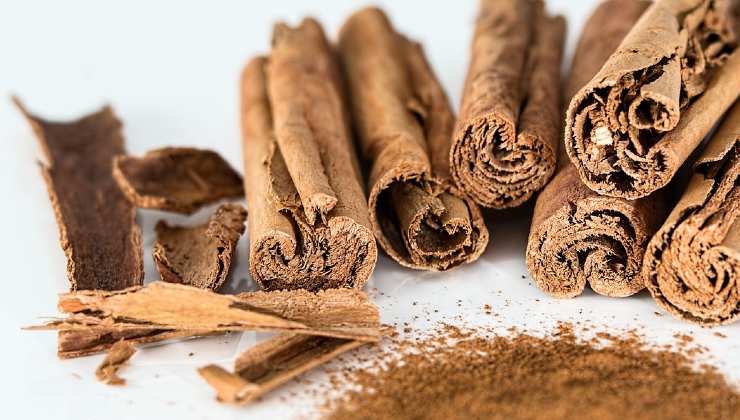
Cinnamon is also known for its antiparasitic properties . It can be used to keep away insects and pests that are harmful to plants, such as aphids, whiteflies or ants. Applying cinnamon can help protect plants from damage caused by these pests.
Stimulating root formation and preventing root rot
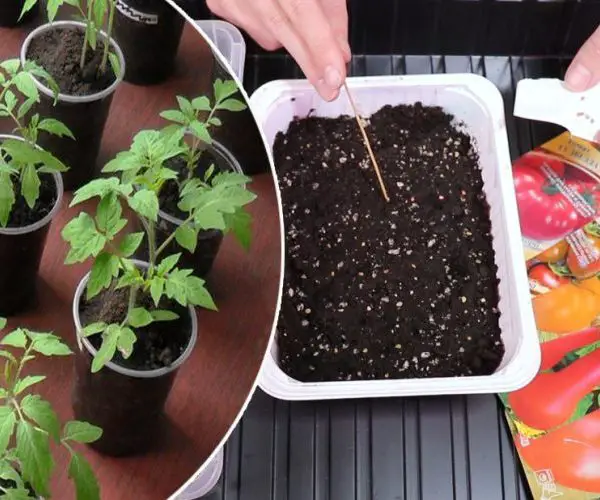
Cinnamon also has the ability to stimulate the rooting of plants . Applying ground cinnamon to cuttings or young plants can help promote the formation of strong and healthy roots, thus increasing the rooting ability of the plant.
Cinnamon can be used to prevent and treat root rot, a condition that can occur due to excess moisture or fungal infections . Applying cinnamon can help counteract the spread of pathogens and reduce the risk of root rot.
How to Use Cinnamon for Garden Flowers
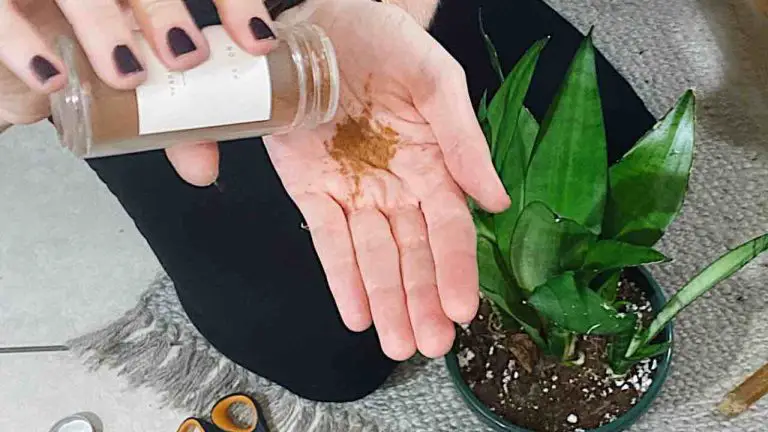
To use cinnamon, you can carefully sprinkle ground cinnamon on the base of plants or cuts, making sure to cover the affected area well. This will help prevent the appearance of fungal diseases or treat them at an early stage.
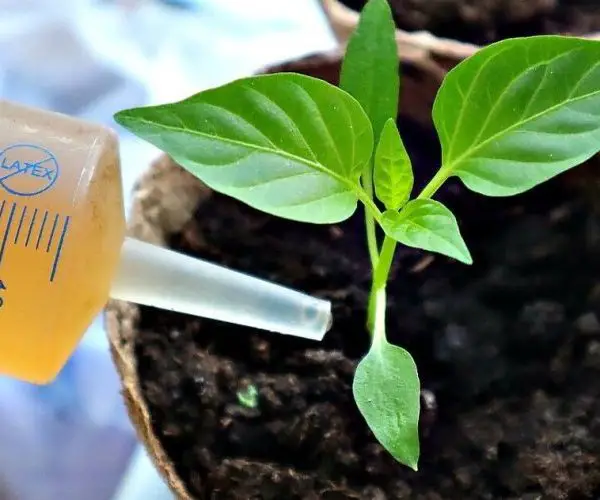
This spice can be mixed with water to make a solution that can be used as a plant spray. Add a small amount of ground cinnamon to a bottle of water and shake well. Use the spray to mist plants, especially on leaves and flowers, to protect them from pests and diseases.
To stimulate root formation or prevent root rot, you can soak the roots of cuttings or young plants in a solution of water and ground cinnamon for a few minutes before transplanting .

In general, it is advisable to repeat the application of cinnamon every 1-2 weeks or after heavy rainfall to maintain the effectiveness of the protection.
The correct use of cinnamon, by direct application or mixed with water, can bring significant benefits to plants and flowers. However, it is important to note that cinnamon may not be effective for all plant species or for all environmental conditions. It is therefore advisable to carry out a small test on a limited part of the plant before making a more widespread application. Always seek advice from a specialist in the sector.