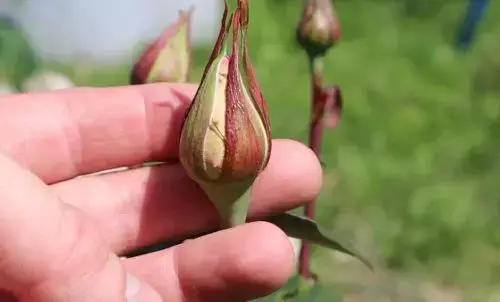
The rose is the undisputed leader among the flowers that attract attention in the garden, but its care requires special attention. Nutrition plays an important role in the care of roses, because their reserves are rapidly decreasing and must be replenished from time to time. Three weeks before I cover the roses for the winter, I use a special fertilizer aimed at increasing their resistance to cold. These roses, fertilized in the autumn, surprise with their splendor and flowering the following year.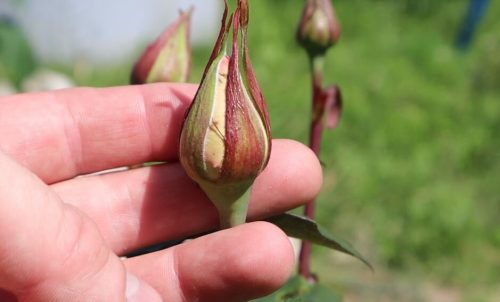
For proper nutrition, elements such as phosphorus, potassium, boron and magnesium are needed. Phosphorus promotes the growth and strength of roots, potassium helps roses to accumulate dry substances in the trunk and roots, accelerates the maturation of the protective bark and increases their resistance to winter. Boron is important for young rose shoots, as it is unevenly distributed throughout the plant, which can lead to boron deficiency in young branches and makes them less resistant to winter frosts.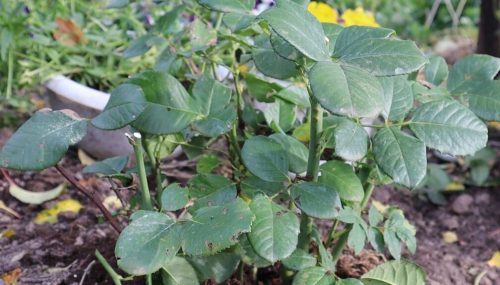
To prepare the solution we need 1 tablespoon of potassium monophosphate, 1 teaspoon of boric acid and 10 liters of water.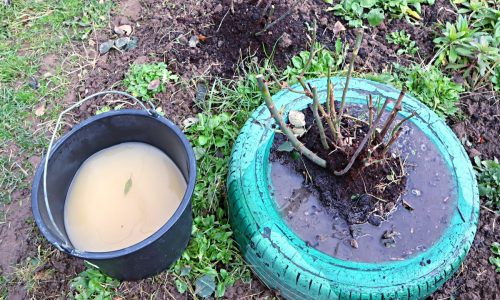
First, boric acid is dissolved in hot water and then poured into the main container.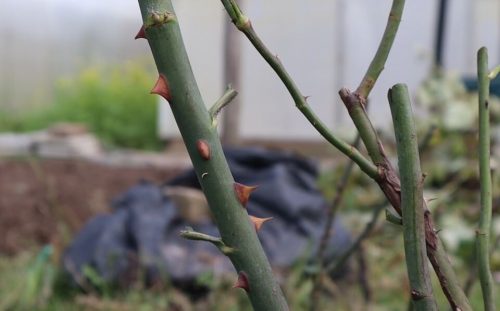
Roses should be watered from the roots, and then it is recommended to sprinkle dolomite flour, which contains calcium and magnesium, which is useful for roses in autumn and spring.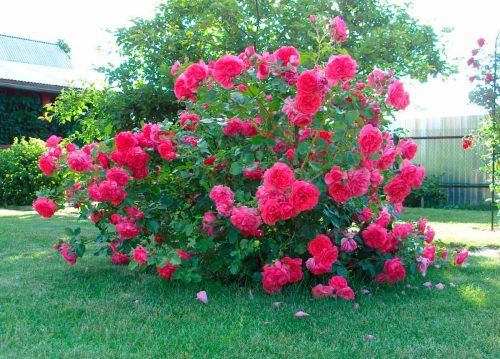
This powder also helps reduce soil acidity, which roses prefer to avoid.