Ficus robusta or elastica is a very easy plant to grow. Typical of tropical countries, this plant needs indirect light, misted water and temperatures never below 15 ° C.
A must-have apartment . There is more than one reason to grow a hardy ficus in the apartment, in short, apart from its large green leaves that can give a touch of elegance to any corner of the house, there is more.
This tropical plant is capable of humidifying a closed environment while absorbing the pollutants present in the air , in particular it seems to be very effective against formaldehyde , a substance released from various household products and cigarette smoke that is not healthy for humans.
functions
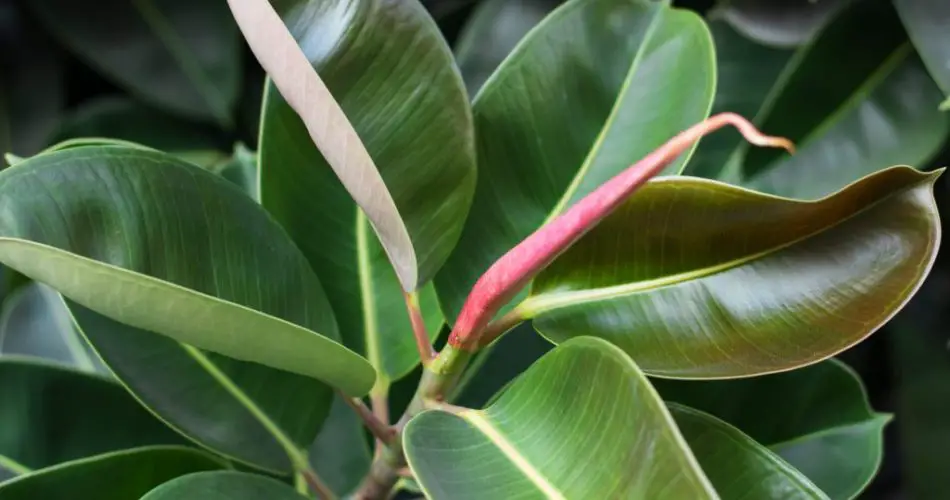
Ficus robusta or elastica belongs to the Moraceae family and is a beautiful houseplant whose origins can be found in the Far East. In nature, the Ficus robusta is destined to become a real tree known as the rubber tree, hence the name Ficus elastica or rubber fig , since a high quality rubber can be obtained from the latex of the plant . For the rest, the Ficus robusta can be recognized by the central vertical stem from which large, shiny light green leaves develop.
Exhibition
The Ficus robusta is a tropical plant , so it also tolerates heat but not cold, that is, temperatures below 15 ° C. In summer it is possible to grow the plant outside in a semi-shaded area, while in winter it is better to find shelter from the cold and take into account that the ideal temperature in the home should vary between 16 ° C and 27 ° C. The Ficus robusta can be placed in the light but not in direct sunlight, especially to prevent the leaves from burning.
soil and fertilizer
After obtaining a large pot with a diameter of at least 25 cm , add expanded clay and then universal soil or green plant soil . Use a liquid fertilizer for green plants and dilute it with the water you normally use to water the plant. When should you fertilize? Every 15 days in spring and summer, once a month in winter
irrigation

In the warmer months, you should moisten the plant every five days and in the colder months, every ten days. To avoid making mistakes, check the soil frequently with your finger on the surface: if it is dry, water it, otherwise wait. Just be careful of stagnant water , which could cause rot and suffocation of the plant’s roots.
Another recommendation: if your Ficus Robusta is kept indoors, it may suffer from heating in winter and air conditioning in summer. To give it some relief, if the environment is particularly dry, spray some non-calcareous water (so as not to ruin the leaves) at room temperature on its leaves from time to time.
pruning
To limit the size of the plant, which can grow a lot, or to remove damaged parts of the plant, you can proceed with pruning. The best time to do this is spring , although the removal of dry parts can be done at any time of the year.
diseases and pests
Check regularly that your Ficus robusta has not been infected with cochineal and, if so, intervene with a cotton ball soaked in alcohol to clean the leaves.
Incorrect exposure, poor or excessive watering and accidental water stagnation can cause the leaves of the Ficus robusta to turn yellow, become bricks or even fall off. In this case, you are making some mistakes, so read the instructions on how to grow a Ficus Robusta and try to save what can be saved.