Did you know that the remains of garden plants should not be thrown away? You can get huge benefits by reusing them, let’s find out how!
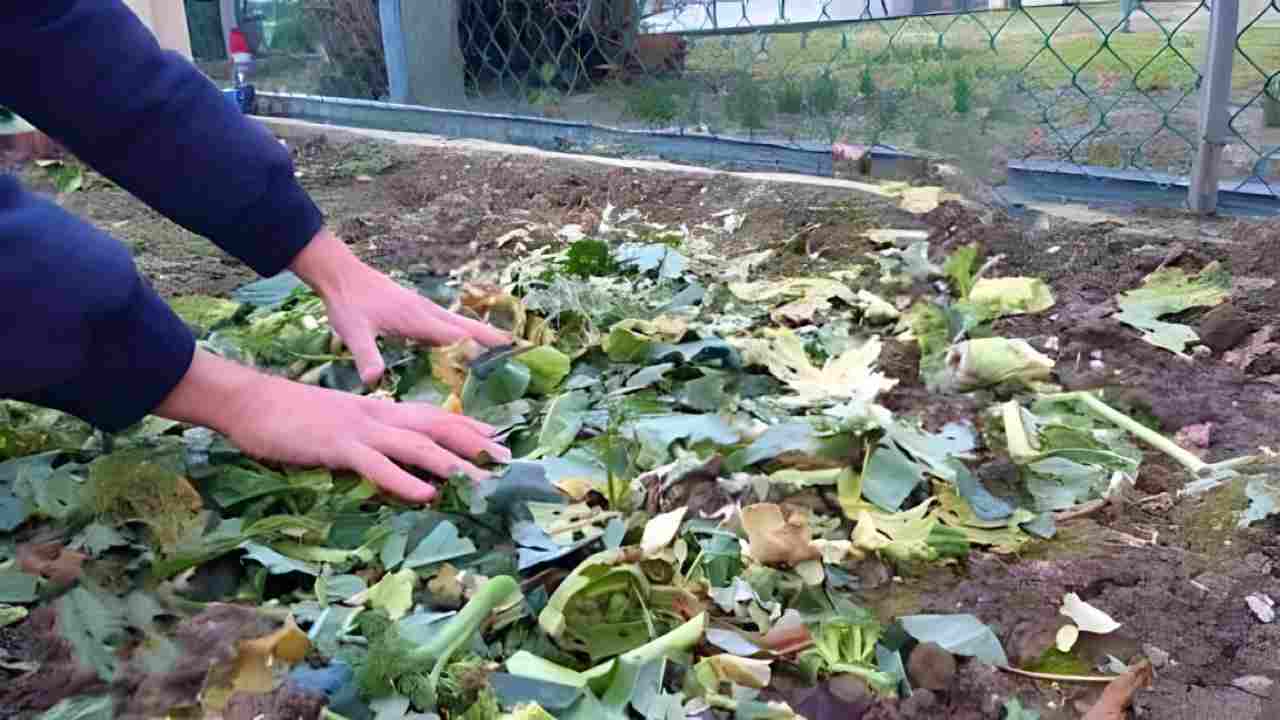
Reusing the remains of garden plants to fertilize the soil is the most natural and effective way to give it back all the necessary nutrients that must be transferred to new plants so that they grow lush and healthy. They are usually removed to throw them in the trash , but with the permaculture method you get better results and also do a lot of good for the environment. Let’s find out how to turn garden scraps, roots, branches and leaves into organic fertilizer!
Do not throw away the remains of garden plants
Most people, when the plants have made their way and produced fruit, have the habit of uprooting the plants and then removing roots, stems and leaves to clean the soil.
It is a normal routine to have free soil again to plant other seedlings, but instead of throwing the leftovers away or putting them in the compost bin, we can reuse them .
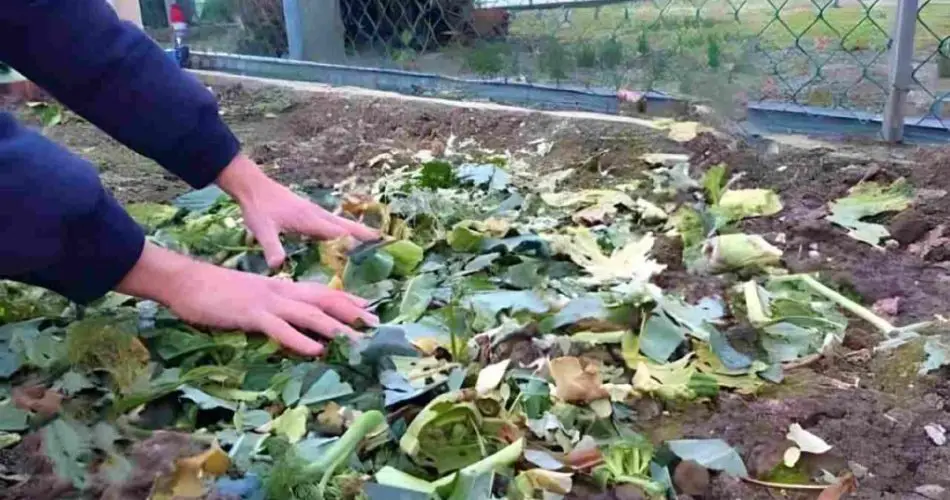
In fact, we can break them into small pieces and put them back into the ground, exactly where they developed. This practice is useful to make nature follow its course and not alter it.
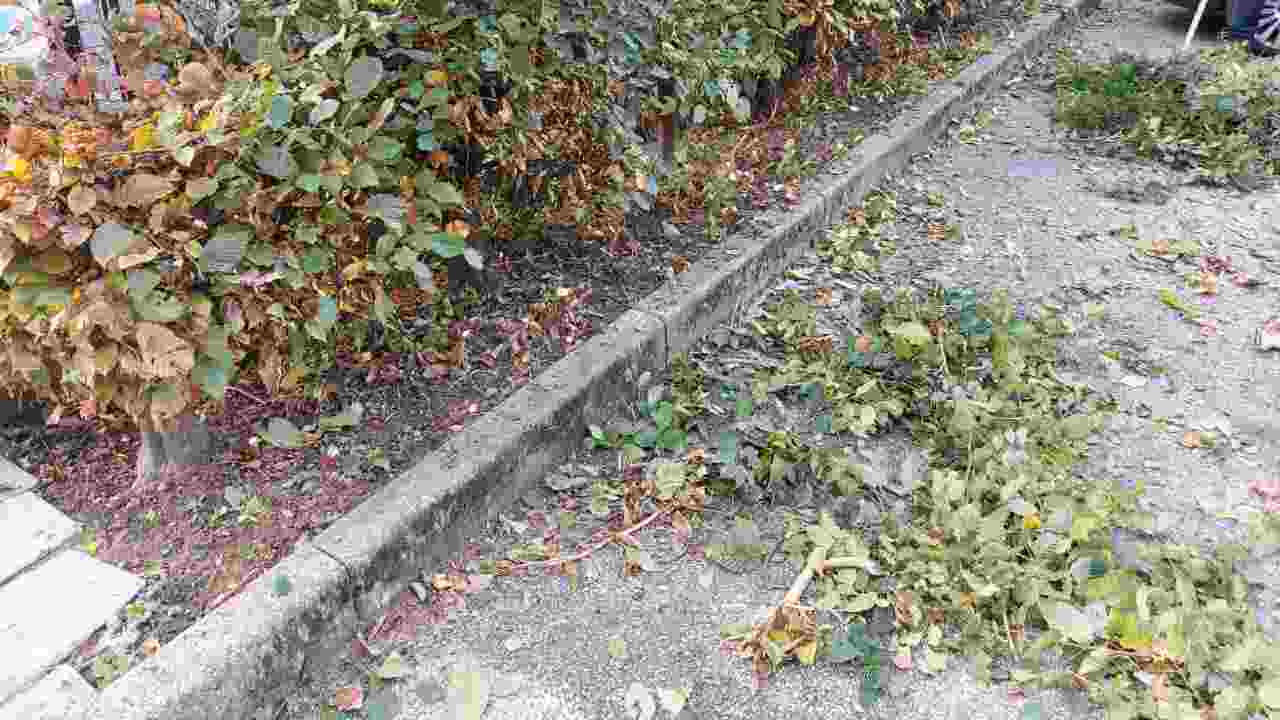
As we know, in autumn, branches and leaves fall to the ground, where they decompose over time and become organic matter. Similarly, all plants die when they reach the end of their life cycle and decompose in the same place where they grew.
Permaculture is a vital process
This process is the basis of Pemaculture, which consists of an integrated planning process based on ecological principles and strategies to create a sustainable and balanced environment .
In practice, with this system, plants decompose and return their nutrients to the soil , creating an endless and eternal life cycle.
The remains of the plants can be placed in the same place where they grew or in another place on the ground where you need to plant other plants.
The result is that the garden waste can turn into compost, which is already present in the soil itself and receives nutrition again. With this method you avoid the use of chemical fertilizers and give the soil the opportunity to improve its composition.
How to perform the procedure
To best reuse the garden residues and turn them into powerful organic fertilizer for the growth of other plants, it is advisable to have a large pair of scissors to cut the remains into small pieces . In this way, decomposition is accelerated and the risk of attracting snails that would ravage the plants is avoided.
Put a thin layer on the soil, not a thick one, to speed up the rotting process and turn organic material into roots and leaves as quickly as possible. If the remains are left in the soil , they will rot and become deep, adding more organic material .
The benefits for the soil preserved are also better aeration and better soil drainage. In addition, the water retention in the soil is also increased, which is achieved thanks to the mulching effect. In this way, the soil stays cooler in the summer season and the water does not evaporate immediately.
Garden waste can also be put in the composter, but the quickest and most natural system is to put it directly into the soil, cut into small pieces. However, care must be taken to remove the remains of diseased plants , which must be thrown in the trash to avoid the proliferation of fungi.
As we have seen, we should not throw the garden remains in the garbage, but use them to nourish the soil and provide an excellent supply of organic substances to other plants. The only thing we have to check is if the remains are affected by diseases, and in this case it is better to get rid of them.