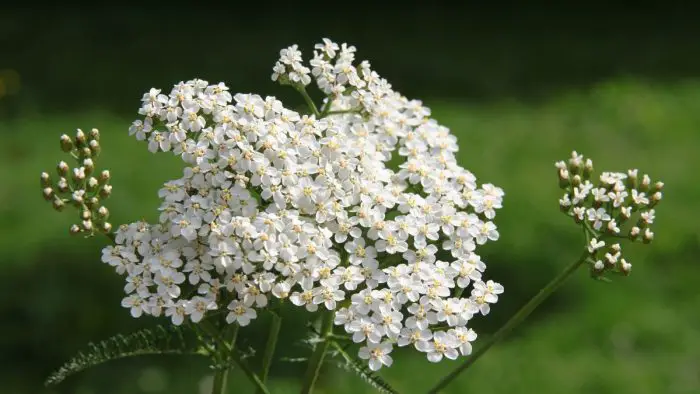
This often overlooked, yet ubiquitous plant in nature, is a true treasure for our health. Yarrow, scientifically known as Achillea millefolium, has been used for centuries for its therapeutic properties. With a rich history, this plant has played a crucial role in folk remedies and traditional medicine. Warriors once took it into battle to heal their wounds, and it has long been recognized for its beneficial properties.
Today, its benefits continue to captivate, especially for those looking for natural healing solutions. In addition to its graceful appearance with its finely cut leaves and small white flowers, yarrow offers remarkable health benefits.
A Treasure for Health and Beauty
Yarrow fields, where bees come to collect nectar, showcase its delicate white flowers and feathery leaves. In addition to its beauty, yarrow is known for its medicinal properties, including speeding wound healing and reducing inflammation.
The benefits of this plant are multiple. It is often used to soothe digestive problems and regulate blood pressure. A closer look at its uses reveals that it acts on both physical health and mental well-being.
Historical and Mythological Importance
Yarrow has a rich historical significance. It is named after the Greek hero Achilles, who is said to have used it to heal the wounds of his warriors. The term “millefolium” means “thousand leaves,” referring to the plant’s many small, finely cut leaves. This mythological connection underscores its importance since ancient times.
It was used across continents, from North America to Europe, to treat various ailments. Its leaves and flowers were made into infusions and ointments to treat colds, infections and wounds, evidence of its widespread use in traditional remedies.
Botanical and Habitat Profile
Yarrow is a hardy perennial plant with feathery leaves that give it a delicate appearance. In summer, it produces clusters of white flowers, but some varieties also have pink or yellow hues. It grows in temperate regions of the northern hemisphere, such as Europe, Asia and North America. It is commonly found in fields, forest edges and roadsides, thriving in both wild and cultivated gardens.
Health Benefits of Yarrow
This herb offers a variety of benefits, from skin health to digestive aid to supporting women’s health. Here’s how it works in these areas:
- Skin Health : Yarrow is known to soothe irritation and promote healing. Many studies support its topical use in wound treatment.
- Digestive aid : It helps relieve digestive discomfort by relaxing the gastrointestinal muscles. It is also useful for reducing fever by promoting sweating.
- Women’s Health : It helps relieve menstrual cramps and has been traditionally used for various health problems in women.
Preparations and Uses
Yarrow can be consumed as a herbal tea or used in topical remedies to benefit from its many benefits.
- Tea preparation : To prepare an infusion of yarrow, add a tablespoon of dried flowers to boiling water, let infuse for 10 to 15 minutes, filter, then enjoy. This tea is beneficial against colds and digestive disorders.
- Tinctures and salves : To prepare a tincture, steep the leaves in alcohol for several weeks, then strain. This tincture can be used for its internal benefits. For external use, infuse yarrow in oil, mix it with beeswax to create a balm that helps heal wounds.
Precautions and Potential Side Effects
Before you start using yarrow, it is essential to take certain precautions. Although beneficial, it can cause skin irritation or increase urination in some people. Those who are allergic to plants in the ragweed family, or pregnant or breastfeeding women, should consult a doctor before use.
Nutritional and Chemical Composition
Yarrow is rich in antioxidants, anti-inflammatory compounds and essential oils, which give it its many beneficial properties.
Culinary Uses
Yarrow can also be used in cooking to add a slightly bitter flavor to dishes. It blends well into some homemade alcoholic beverages, giving them an earthy touch.
Ecological Impact
Ecologically, yarrow plays a valuable role in its environment. It helps stabilize the soil and enriches the soil with nutrients. It also provides a source of nectar for pollinators such as bees, thereby enhancing local biodiversity.
Frequently Asked Questions
For those looking to learn more about the benefits of yarrow, here are answers to common questions:
- Skin Relief : How Does Yarrow Help Soothe Irritation?
- Menstrual Support : How Does It Work to Reduce Cramps?
- Emotional Well-Being : Can This Plant Promote Relaxation?
- Daily Safety : Is it safe to use regularly?
Yarrow, thanks to its benefits, stands out as a versatile and valuable plant for health and well-being, while contributing to a healthy and balanced environment. It represents a perfect example of how nature can support our overall health.