Water all plants especially with this water, even dried flowers will thank you in summer.
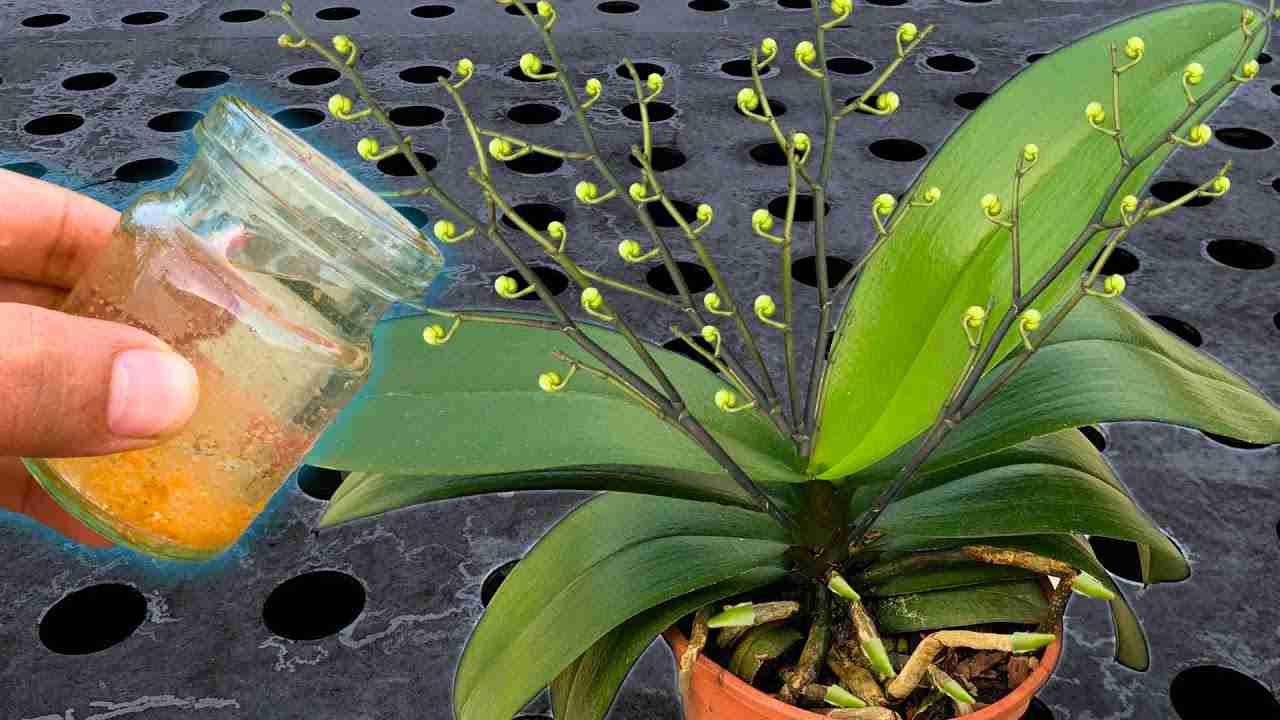
Watering plants and flowers is an essential part of growing plants during the summer season. Choosing the right time to water, distributing water evenly, using cold water and regularly monitoring plants are important measures to keep them healthy and strong. There is a small tip: water all plants with this special ingredient . Let’s find out together what it is?
How do you water plants in summer?
Summer is a wonderful season to see nature in full bloom. Plants and flowers enjoy the sun’s rays and warm weather, but at the same time, the summer season can be difficult for them. High temperatures and dry air often cause many plants to suffer from dehydration. If you want the plants and flowers to remain green and lush during the summer season, it is important to be careful when watering.
The amount of water plants and flowers need varies depending on the type, size and age of the plants. Some plants need a lot of water, while others can survive with a minimal amount in a short period of time. In general, most plants and flowers need at least 2-3 cm of water per week during the summer.

The best time to water plants and flowers is in the early morning hours or in the evening after sunset. Avoid watering during the hottest hours of the day, as water can evaporate quickly without giving plants time to absorb nutrients.
There are some important practices you should keep in mind when watering plants and flowers in summer:
- Water the plants evenly. The water should be evenly distributed around the plant so that the soil is evenly wet. This will help the plant to grow evenly and strongly;
- Use cold water. Hot or lukewarm water can damage plant roots and flowers. Using cold water can help keep plants healthy and strong during the summer season.
- Avoid water accumulation. Accumulated water can promote the growth of fungi and bacteria, damage plant roots and flowers, and reduce their ability to absorb nutrients. Use an adequate amount of water and make sure the soil is well-drained to avoid water stagnation problems.
Water all plants with this natural ingredient
Carrot juice can be a valuable source of nutrients for plants and can be used as a natural food to improve soil and plant health. One of the main benefits of carrot juice is its concentration of nutrients, including potassium, calcium and phosphorus, which are useful for plant growth and development. These elements are essential for root formation, maintaining leaf health and improving fruit production.
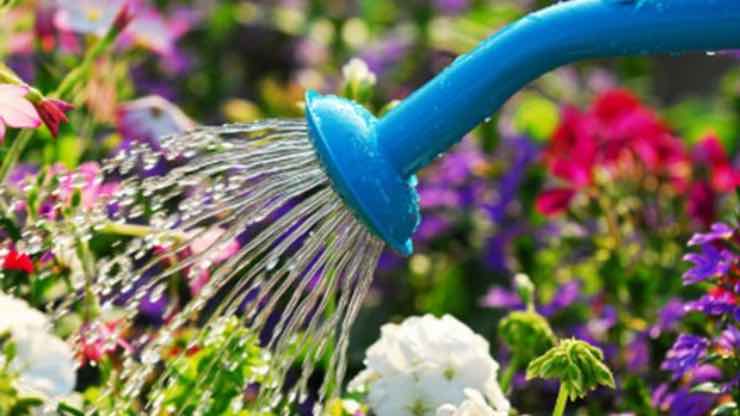
It can also act as a biostimulant for plants, promoting plant growth and maturation as well as soil health. The presence of organic substances such as glucose, fructose, malic acid and citric acid promotes the absorption of nutrients by plants. In this way, plants benefit from a greater availability of nutrients for their growth, which improves their productivity and their resistance to diseases.
In addition, the use of carrot juice can help mitigate the negative effects of the use of environmentally harmful chemicals such as pesticides and synthetic fertilizers. In fact, the use of natural products such as carrot juice can help reduce the amount of chemicals used in agriculture , thus favoring a more sustainable and environmentally friendly farming system.