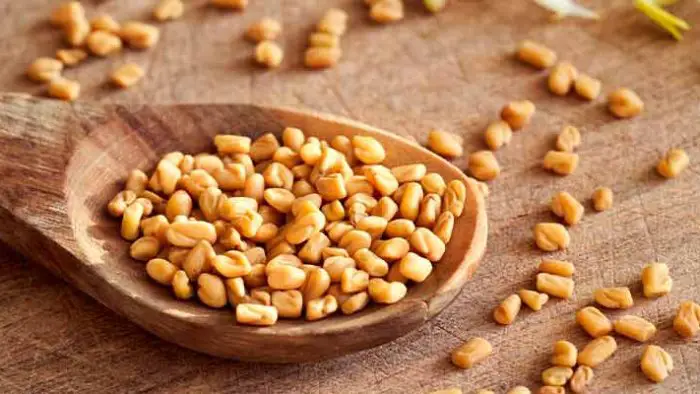
Fenugreek, a medicinal plant belonging to the legume family, has been appreciated for centuries for its multiple health benefits. Native to Asia and southeastern Europe, it is widely cultivated in India, North Africa and the Mediterranean. Whether in the form of dried seeds or fresh leaves, it is used in cooking, traditional medicine, and even cosmetics. Discover the main benefits of fenugreek for the body in this article.
1. Health Benefits of Fenugreek
Blood sugar regulation
Fenugreek is known to help people with diabetes by slowing the absorption of sugars in the digestive system and stimulating the secretion of insulin. This helps to stabilize blood sugar levels.
Cardiovascular health
Consuming fenugreek can reduce bad cholesterol (LDL) and increase good cholesterol (HDL), thereby promoting better lipid balance and reducing the risk of cardiovascular disease.
Improved digestion
Rich in fiber, fenugreek promotes healthy digestion, prevents constipation and protects the colon thanks to its antioxidant properties.
Anti-inflammatory properties
Thanks to its antioxidants such as vitamins A and C, fenugreek helps fight inflammation and prevent certain cancers.
Heartburn Relief
The fiber in fenugreek may reduce symptoms of stomach acid and heartburn when consumed before meals.
Breast milk production
Fenugreek stimulates the milk ducts, making it a natural option to increase milk production in breastfeeding women.
Help with weight loss
By prolonging the feeling of satiety thanks to its high fiber content, fenugreek can be an ally in weight management.
2. Benefits for Skin and Hair
Skin health
Fenugreek helps treat various skin problems like scars, eczema, and burns. It also moisturizes the skin, prevents blackheads, and reduces wrinkles.
Hair care
Fenugreek promotes healthy hair, giving it shine and strength. Its leaves can be used as a mask to stimulate hair growth.
3. Benefits for Pregnant Women
Although fenugreek can facilitate childbirth and regulate gestational diabetes, its use during pregnancy should be monitored, as it can cause premature uterine contractions.
4. Benefits for Men
Fenugreek is known to increase testosterone levels and improve sexual desire. It may also improve athletic performance by helping to reduce body fat and build muscle.
5. Traditional and Modern Uses
Fenugreek is used for:
- Treat digestive disorders.
- Reduce cholesterol.
- Relieve coughs and inflammations.
- Soothe muscle pain with local application.
Nutritional Value of Fenugreek
Fenugreek is rich in vitamins (A, C, B6, B9) and minerals (iron, potassium, magnesium). For example, 100 g of fenugreek seeds provide:
- 323 calories
- 25 g of fiber
- 33 mg of iron
- 191 mg of magnesium
Precautions and Drug Interactions
- Pregnant women: Risk of miscarriage.
- Diabetics: Risk of hypoglycemia in case of overdose.
- Interactions: Caution if taking anticoagulants or medication for diabetes.
Fenugreek is a herb with multiple benefits, but its use should be moderate and adapted to individual needs. Before incorporating it into your diet or skincare routine, consult a healthcare professional to ensure safe and effective use.