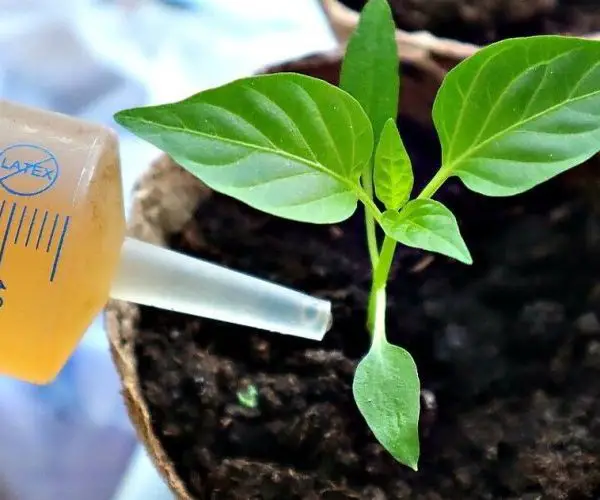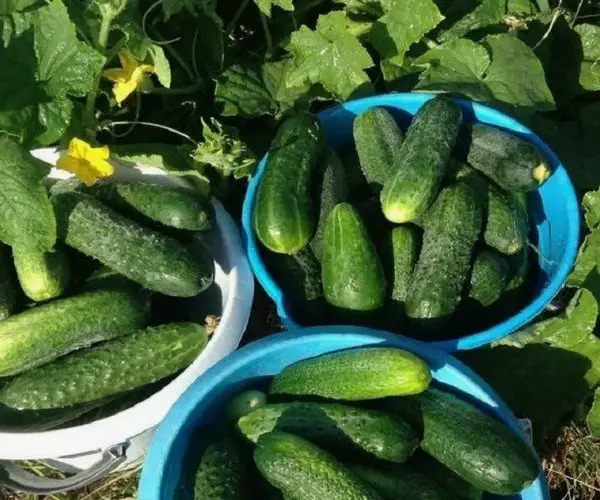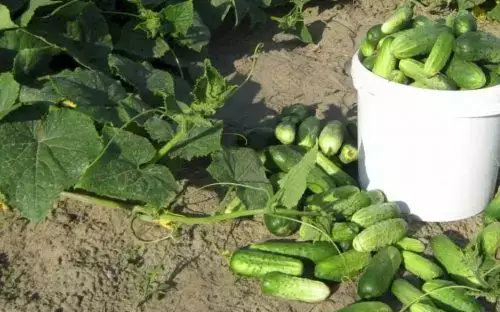
After many years of experimentation, I came to the conclusion that the mutually beneficial cultivation method allowed me to double the production of cucumbers on my plot. This transformation has completely changed the way I grow cucumbers. If earlier you collected only half a bucket of crop from one plant per season, thanks to mutually beneficial gardening, this figure has increased to a whole bucket.
The secret to success is to reduce the number of non-fertilizer flowers and increase the number of fruit-bearing flowers. The plants developed faster, started bearing fruit earlier and generally felt better.
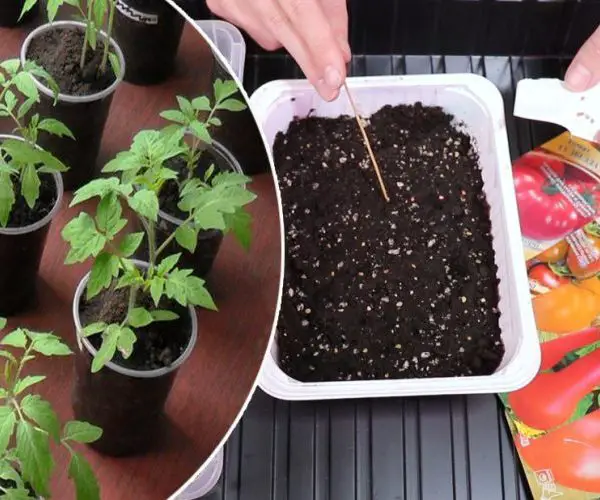
However, before diving into the world of mutually beneficial gardening, it is extremely important to prepare the soil properly. A simple combination of compost, forest soil and sand can work wonders. This mixture will create the best conditions for the growth of cucumbers and their synbiotic partners.
Once the soil is prepared, planting can begin.
To maximize the yield of cucumbers, it is recommended to plant them near certain vegetable crops that are often found in summer cottages.
Adding a plant like Phacelia also helps improve yields. We just need to find the perfect balance and harmony between the plants to promote their growth and fruiting.
When I started working in my garden, I had many questions about growing different plants. One of the central topics was growing cucumbers.
So, if you’re looking for ways to maximize cucumber production, consider a mutually beneficial combination of beetroot and phacelia.
By planting these crops in a special pattern, yields can be significantly improved without the use of commercial fertilizers.
How can this be implemented?
The key is to maintain a distance of 40 to 50 cm between crops. Start with three rows of phacelia, followed by two rows of cucumbers and two rows of sugar beet. Rotating cucumbers and beets, topped with three more rows of phacelia, helped me double my cucumber production, an impressive result for a hobby gardener.