Let’s look at the most common mistakes you should avoid when doing gardening.
If you have the hobby of gardening or are a beginner, it is quite common to look for the best way to care for plants.
There are several mistakes that are very common and can affect plant growth.
Let’s see what they are.
- Planting in a row: Planting similar plants close together, in the same pot or in a limited area of the garden, should be avoided as this encourages the passage of pests between one plant and another.
- Repotting a seedling : When the plants are still small, they should not be moved or repotted. These are still very weak and tender seedlings and this displacement can cause them to break or become permanently damaged. Do this carefully if necessary, being careful not to break the roots.
- Safety : No matter how well prepared you are, you should never be too safe. It is always necessary to inform yourself and document to avoid mistakes.
- Decanting a new plant: If you have bought a new plant, it can be a mistake to cross it immediately. The plants need to get used to the new environment, so leave them in the container provided for a few days.
- Turf : When transferring, it is important to extract the roots carefully. In particular, the roots and the soil usually compact into a clod. This should never be removed by pulling from the outside, but rather by turning the vase upside down and letting the contents slide into your hands.
- Dirty tools: The tools used for gardening naturally tend to get dirty, but before reusing them for new jobs, they must be cleaned to avoid the transfer of pathogens from one plant to another. You can use baking soda or vinegar in this regard to clean them better.
- Light after decanting: Newly decanted plants should never be exposed to direct sunlight, on the contrary, they should be kept in a shady place for at least a week.
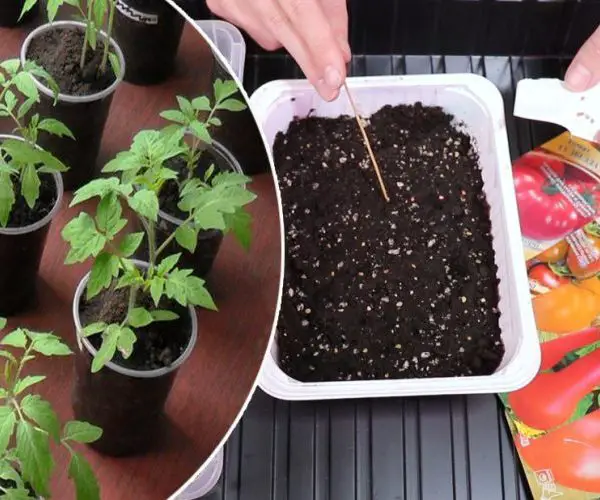
- Planting too close together: Whether it is seeds or small seedlings, they should never be planted too close together. The necessary space must be left for them to grow and absorb all the necessary nutrients from the soil.
- Seeds too deep: If you have seeds and intend to plant them, either in pots or in the garden, they should not be planted too deep to prevent them from popping up out of the soil.
- Soil : When decanting a plant and moving it from one container to another or from pot to garden, you should never completely remove the soil the plant was originally in.
- Insects : Not all insects cause damage to plants, in fact many are fundamental to processes such as pollination, so it is important to know how to recognize and differentiate them.
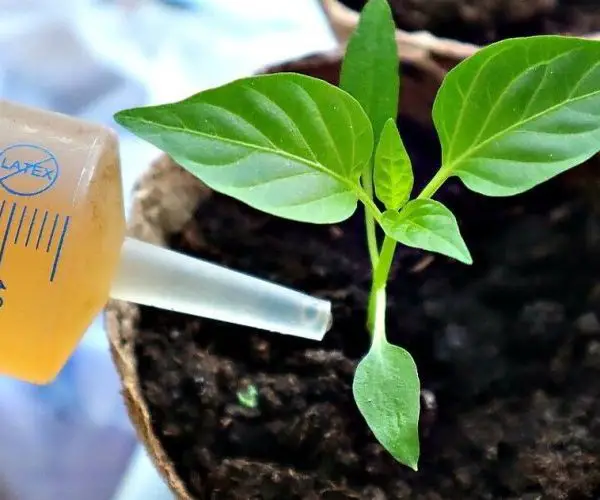
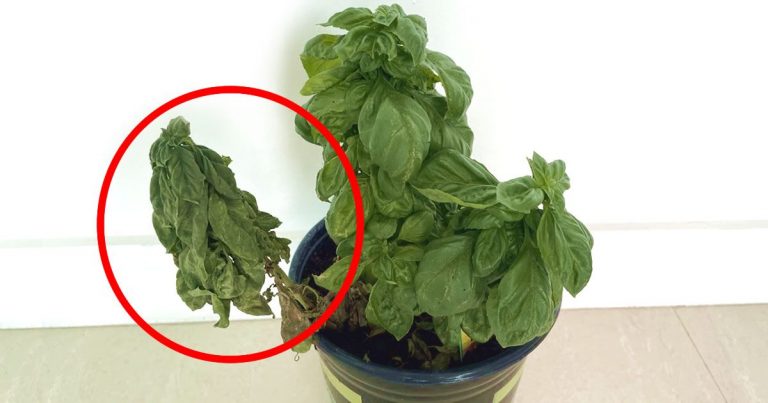
- Too much water: A very common mistake is to give plants too much water, which causes the roots to rot. Be sure to water when the soil is dry.
- Too much fertilizer: Despite good intentions, excessive amounts of fertilizer can have counterproductive effects. However, it is preferable to use organic fertilizers.
- Seeds : Once you have the seeds available and plant them, they must not be exposed to sudden changes in temperature but must be exposed to the sun gradually.
- Pesticides : Ignoring the infestation of harmful insects is a mistake that should not be made. Once they are identified, they must be eliminated by using organic pesticides.
- Pruning : This is a basic process and if not done, it can cause several problems for plants in their growth process.
- Weeds : Weeds should not be allowed to grow, on the contrary. In fact, they take nutrients from the plants, which leads to growth problems.
- Light : Although plants generally need sunlight, it must always be taken into account that the specific needs of each plant may vary, so it is important to be informed and know what different species need.
- Invasive plants: We should never plant these types of plants next to the plants we want to treat, as they will greatly weaken them.
- Myths : Often you come across false myths about gardening or information that has no scientific basis. For this reason, reliable sources should always be consulted.
Show Comments