Goose grass: A little-known plant with a thousand health benefits
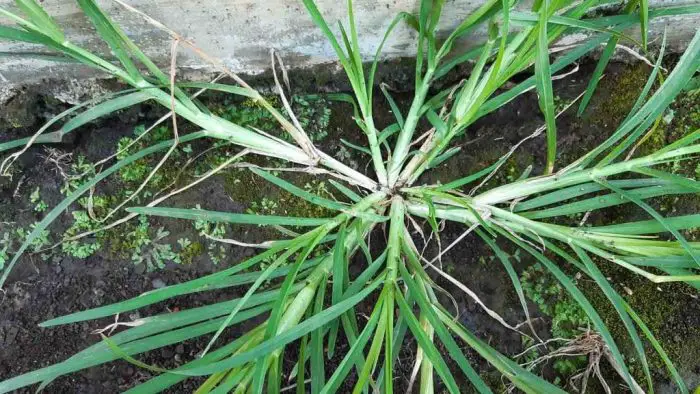
Goose grass, also known by its scientific name Chenopodium album , is a plant that is often considered an unwanted weed in our gardens. However, far from being simply an invasive plant, it is full of health benefits and has been used for centuries in traditional medicine for its many virtues. Despite its reputation as an invasive plant, goose grass deserves to be rediscovered for its nutritional and medicinal properties. Here is everything you need to know about this plant with a thousand benefits.
1. An exceptional source of nutrients
Goose grass is a nutritional goldmine. It is rich in vitamins A, C, and K, as well as minerals like iron, calcium, and magnesium. These nutrients are essential for strengthening the immune system, promoting bone health, and improving blood circulation. Vitamin C, in particular, helps fight infections and maintain glowing skin.
2. Antioxidant properties
Goose grass is also rich in antioxidants, including flavonoids and beta-carotene. These compounds protect the body’s cells from free radical damage, which is responsible for premature aging and chronic diseases like cancer. By consuming this herb regularly, you can help reduce inflammation in the body and promote longevity.
3. Helps digestion
Goose grass is known for its digestive properties. Its natural fibers help regulate intestinal transit, preventing constipation and promoting smoother digestion. It is also used to soothe digestive disorders such as bloating and indigestion. In infusion, it can relieve stomach aches and facilitate the elimination of toxins.
4. Detoxifying effect
Due to its diuretic properties, goose grass helps eliminate toxins from the body by increasing urine production. This helps purify the liver, improve kidney function, and maintain a healthy balance of fluids in the body. It is therefore often used in detox cures to promote the elimination of unwanted substances.
5. Reduces inflammation
This plant is also known for its anti-inflammatory properties. It can be used to relieve joint pain, skin inflammation, and even respiratory conditions like asthma. Applying fresh leaves as a poultice to the skin can soothe insect bites, rashes, and irritations.
6. An ally against anemia
Due to its high iron content, goose grass is an excellent natural remedy for anemia. Iron is a key element in the production of red blood cells, which are essential for carrying oxygen around the body. Consuming goose grass regularly can therefore help improve blood iron levels and reduce symptoms of fatigue and weakness.
7. Improves bone health
Goose grass’s high calcium and vitamin K content make it a beneficial herb for bone health. Calcium is essential for building and maintaining strong bones, while vitamin K plays a crucial role in preventing bone loss. This makes goose grass a great ally in preventing diseases like osteoporosis.
8. Promotes weight loss
Due to its low calorie content and high fiber content, goose grass is ideal for those looking to lose weight. Fiber creates a feeling of satiety, helping to control appetite and reduce cravings. In addition, its diuretic properties help eliminate excess fluid in the body, reducing water retention.
9. Strengthens the immune system
With its high concentration of vitamin C, goose grass strengthens the body’s natural defenses against infections. It helps boost the immune system, thus helping to prevent colds, flu and other infectious diseases.
10. Culinary and medicinal use
Goose grass can be consumed in a variety of ways. Its tender young leaves can be added to salads, sautéed like spinach, or incorporated into soups. As an infusion, it allows you to benefit from its digestive and detoxifying benefits. For external use, the leaves crushed into a poultice can be applied directly to the skin to treat inflammation and insect bites.
How to use goose grass daily
- Infusion : Use a tablespoon of dried leaves for a cup of boiling water. Let it steep for 10 minutes, filter and drink. This infusion is ideal for digestion and detoxification.
- As a poultice : Crush a few fresh leaves and apply directly to the skin in case of bites or irritation.
- In the kitchen : Add the young leaves to your salads or cook them like spinach. They bring a nutritious and tasty touch to your dishes.
Conclusion
Goose grass, often dismissed as a mere weed, is actually a hidden treasure trove of health benefits. Whether it’s to improve digestion, strengthen the immune system, or promote weight loss, this plant deserves a place in our plates and wellness routines. By incorporating goose grass into your diet and daily care, you can take full advantage of its exceptional virtues.