Indoor plants not only beautify your rooms, but they also bring a lot of joy and purify the environments .
If you already have one, here’s what you need to know to best care for them and keep them healthy.
- First of all, you should know that houseplants are nothing more than medium and small-sized plants that can be grown even in areas with low light.
- We recommend that you purchase them from nurseries or florists, so that you can see them up close and identify any parasites or diseases .
- After bringing a new one into your home, leave it in its pot for 3 or 4 days to let it get used to its new environment.
- If you feel that the container in which it was sold to you is too small, proceed with a repotting by choosing a container large enough to contain the roots and allow for growth.
- As for the position inside the house, this obviously varies from plant to plant, each one needs a certain amount of daily light .
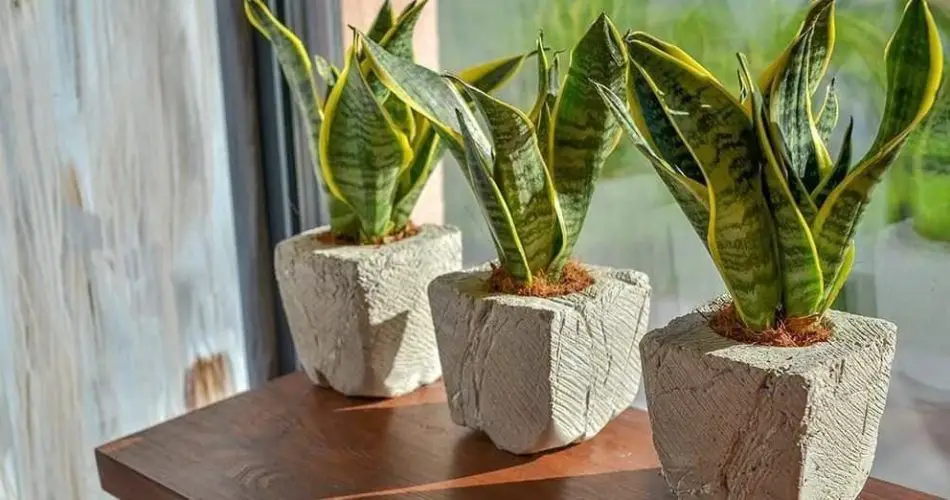
- Plants that grow well even in the absence of light are, for example, the peace lily , the sansevieria and the spider plant .
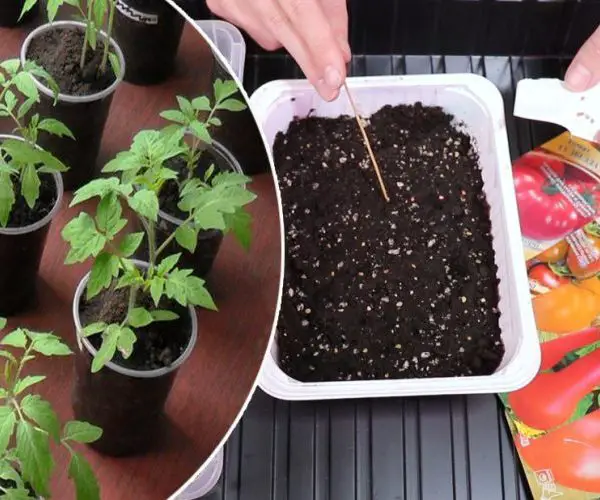
- The preparation of the soil for houseplants is almost always the same, prepare a mix of universal soil, add one part of perlite , one part of peat and one part of compost (even homemade).
- The soil should always be moist, but remember that indoors water evaporates slowly, so watering may be less frequent.
- The best way to understand if our plant needs water is always to touch the soil and check its humidity.
- These plants don’t really need pruning, but if you want to increase growth or notice dry, burnt leaves, you can do a light pruning .
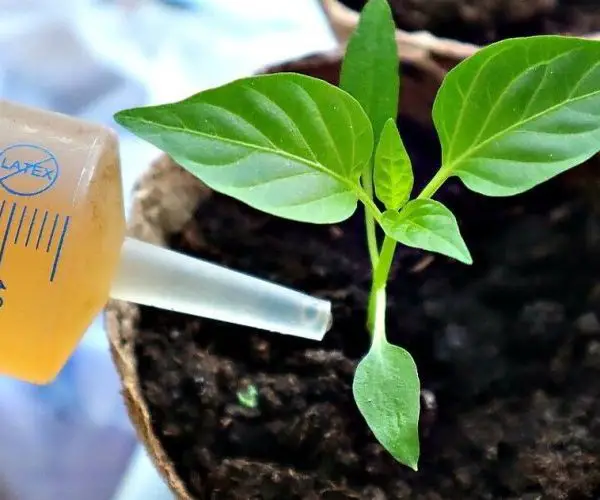
- Finally, even houseplants can be affected by parasite infestations . You can prevent them by periodically using a delicate anti-parasitic spray, a solution composed of 5ml of Neem oil, water and 10 drops of liquid soap will do.
- Spray once every 15 days to prevent or once a week if they are already infested.