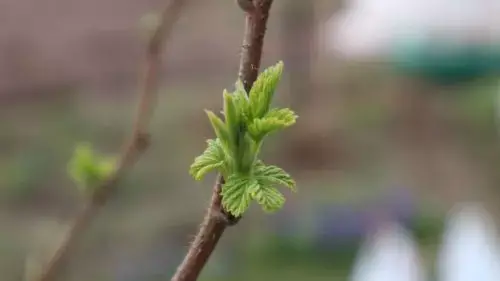
Raspberries grown in areas with well-enriched soils quickly destroy all valuable nutrients from the soil, which is especially noticeable in the 3-4 years of cultivation. The fruits have already become noticeably smaller and smaller; their quantity is also greatly affected by the reduction of nutrients. Without the introduction of additional fertilizers, you cannot count on large, juicy berries. Spring feeding is an important part of successful raspberry cultivation, but I’ll tell you how to feed the bushes.
It is best to apply fertilizers with a sufficient nitrogen content as the initial dressing. This element is important for increasing the green mass of the bushes and forming a crop. A sufficient supply of nitrogen increases the size of the shoots and leaves, but also the size of the berries.
Raspberries love organic fertilizers, so rotten manure is the ideal option. Organic fertilizers improve soil quality and promote rapid berry growth. When I had a pile of manure in the garden, I added about 1 bucket per m² of raspberry field, and this gave very good results. However, the manure is quickly running out, so this year I will add humus from my compost heap, 1 bucket per meter of raspberry field. Next, I evenly distribute 2 tablespoons of urea and azofoska per linear meter of raspberries.