There is only one best soil for orchids and everyone makes mistakes day after day: nurserymen explain how to create it.
Orchids are beautiful plants , but as such they are also difficult to grow. If experienced nurserymen are concerned about the location and the amount of water they should be given each day, there is another factor to consider. Often, in fact, the soil for orchids is wrong. Until now, it has always been thought that it is possible to provide the plant with a set of elements of various kinds. This is very difficult to manage and requires special ingredients.
Orchid: the elegant but difficult plant
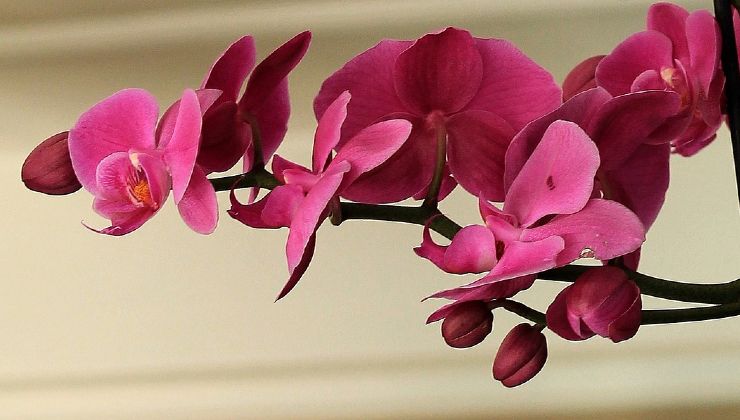
The orchid plant is considered one of the most elegant in the world. In fact, its variants are particular and the colours of the flowers change constantly. They are plants linked to popular traditions, ideal for a sophisticated gift and also to embellish the home with a special touch. However, not everyone can afford to grow orchids at home precisely because it is difficult to manage. It requires humid places, luminosity but not direct exposure to the sun. It also requires a lot of water, but never so much as to rot its roots. It is native to tropical and warm areas, with a particular need related to the soil.
The real secret is not to do what everyone else is doing, but to let the experts reveal what is right . With a set of valid ingredients for this plant, you can get quite a few benefits. You will notice rapid, healthy and prosperous growth over time.
Orchid soil: which one to choose?
Which soil for orchids to choose to promote and encourage their growth ? This is a plant that requires a specific set of nutrients. It is important to choose and evaluate the ingredients that can have a good composition, marrying together to nourish and allow proper flowering.
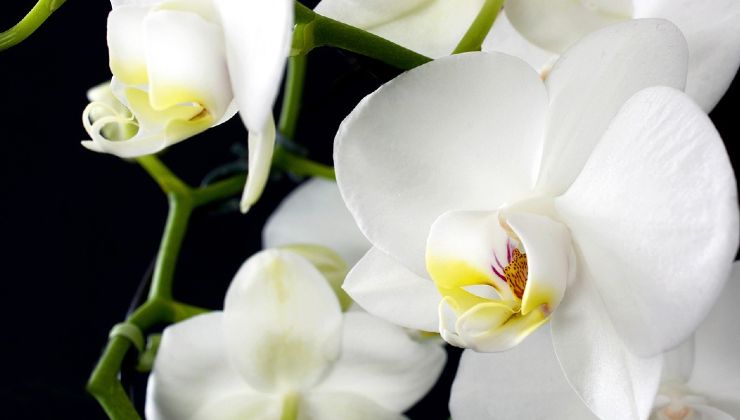
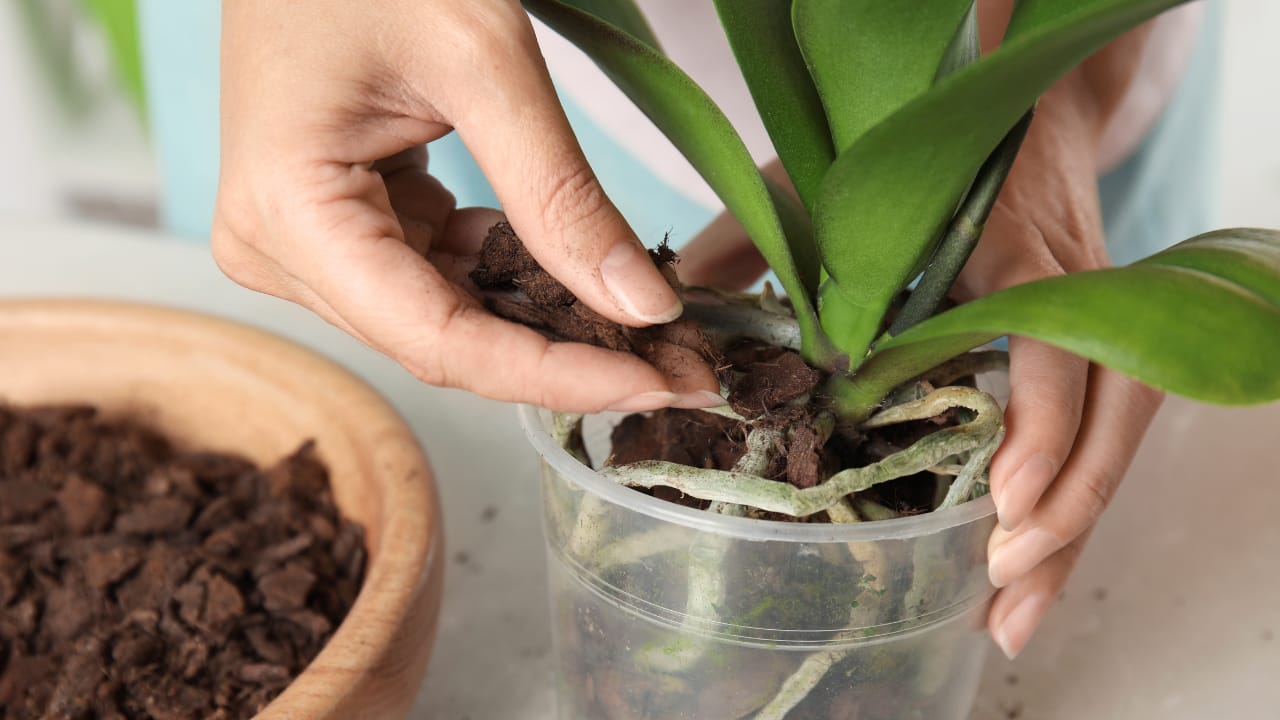
The potting soil required is rich in nitrogen and well drained. In fact, it must be remembered that this is a plant that favors humidity even if it does not want soils with stagnant water . The above conditions must be favorable and not adverse to the plant. In addition to nitrogen , you can also add fir bark, a semi-impermeable material that helps in drainage without ever overloading the soil itself. The bark chosen must be very pure, because otherwise they can contain substances highly harmful to the plant . If you want an alternative, you can also consider pine bark, although in smaller quantities. The bark must be changed at each repotting, that is to say every 2 or 3 years or so . In case of doubt, always ask your trusted nurseryman for help. Prefer a do-it-yourself soil, to compose, the ready-made ones can contain additional substances that are not favorable.