Here’s how you can make your plants flower by adding just a teaspoon of this ingredient.
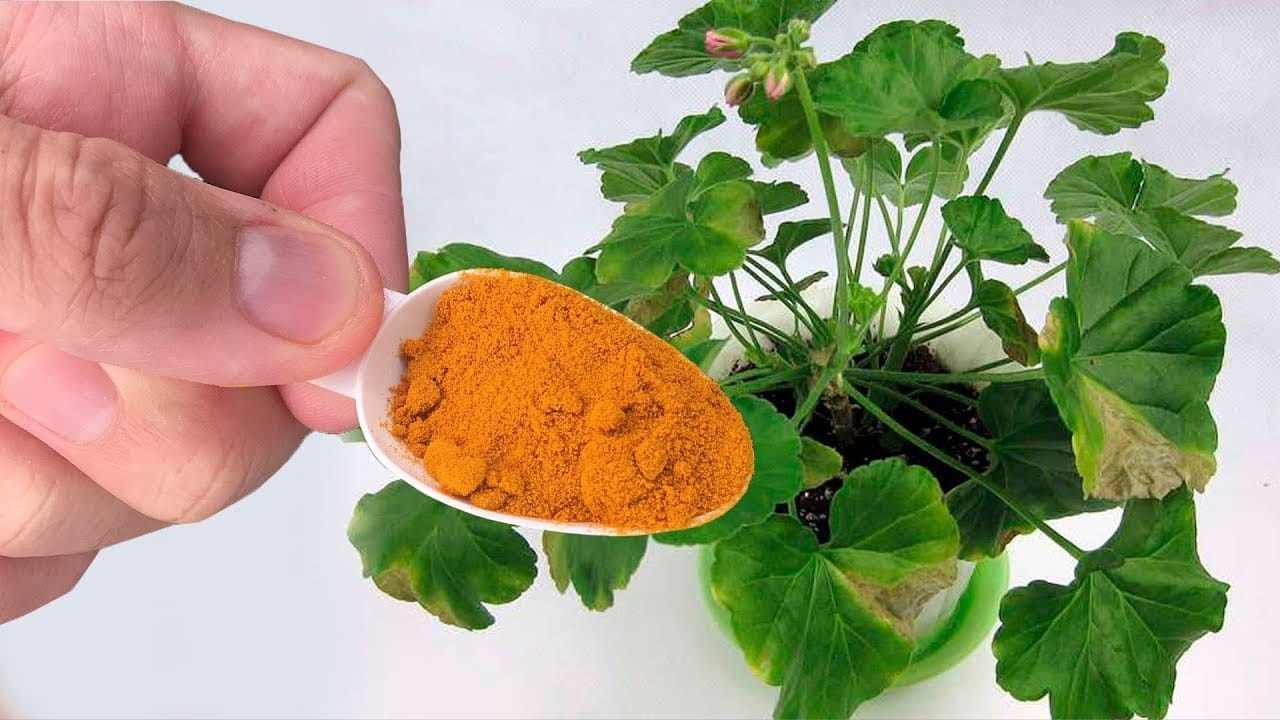
You all have this ingredient at home, but you always use it as an ingredient in the kitchen . Nowadays, you can use it to make your plants bloom.
How to make plants bloom in winter
Although winter is considered the dormant season for plants , there are some species that manage to bloom even during this time of year. If you want to see your plants bloom even during winter, here are some tips on how to do it:
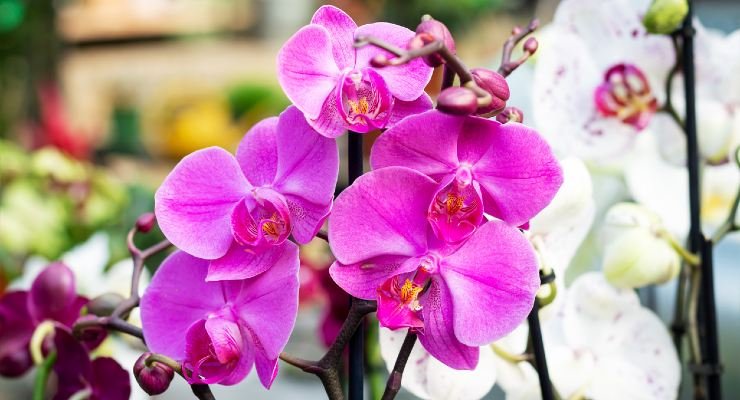
- Choose the right species: Not all plants can flower during the winter, so it is important to choose those that are best suited to this season. For example, begonias , fuchsias, lilies and violets are species that can flower even during the coldest months.
- Keep your plant warm : To keep your plants blooming during the winter, it is important to keep them in warm environments. Therefore, avoid placing them near windows or doors, as the cold could damage them. In addition, it is advisable to use heated saucers to prevent the cold soil from preventing the roots from growing and absorbing the necessary nutrients.

- Adequate lighting : During the winter, the days are shorter and sunlight is less intense. Therefore, in order for plants to flower, it is important that they receive enough light. If you cannot place your plants in a very bright area, it is a good idea to use lamps or spotlights to increase the amount of light they receive.
- Proper nutrition: During the winter, plants need less water and fertilizer than in other seasons. However, it is important that they continue to receive the nutrients they need to grow and thrive. Therefore, use fertilizers specifically for flowering plants and follow the package instructions regarding the dosages to use.
It is possible to get plants to bloom during the winter, just choose the right species, keep them warm, make sure they are properly lit and fed . By following these tips, you will be able to enjoy the wonderful flowers of your plants even during the coldest months of the year.
Put only a teaspoon
If you want your plants to flourish like never before, there is a little trick that can make all the difference: add a teaspoon of dried garlic to the roots . Garlic is a plant with numerous beneficial properties, both for humans and other plants. In fact, it contains allicin , a natural compound with powerful antibacterial and antifungal properties. In addition, garlic is rich in nutrients such as iron, calcium, phosphorus, and selenium, which can help plants grow stronger and more resilient. To add garlic to your plants, you will first need to finely chop it . Then, take a teaspoon of minced garlic and mix it with some damp soil, to create a smooth, easy-to-work mixture. Finally, take the mixture and add it to the roots of your plant, being careful not to damage them.
Garlic is especially indicated for plants suffering from pests or fungal diseases, as it helps to counteract these problems and protect the plant. However, it is important not to overdo the dosage, as too much garlic could stress the plant and prevent it from growing optimally. Garlic is a natural ingredient with numerous beneficial properties for plants . Adding a teaspoon of dried garlic to the roots can help your plants grow stronger and more resilient, making them bloom like never before. However, remember not to overdo the dosage, as too much garlic could cause more harm than good.