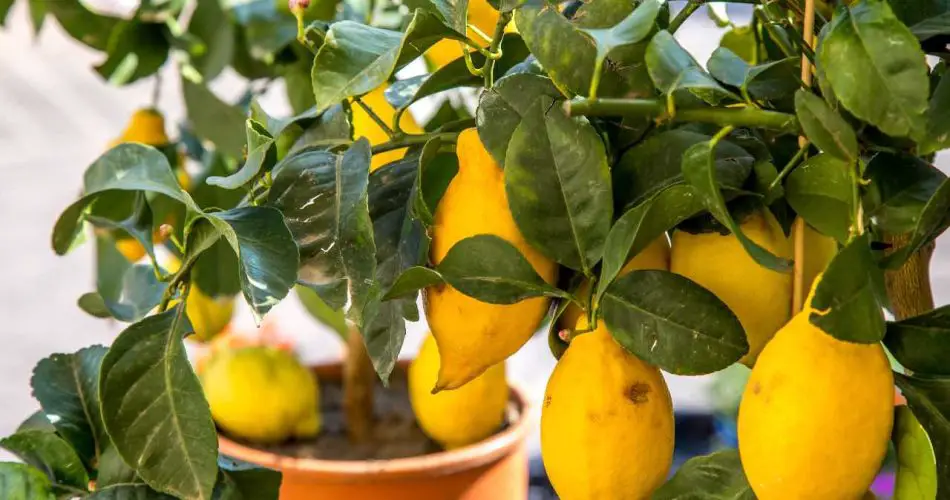
Can you leave lemons attached to the plant? Not everyone knows what is really going on – experts explain everything.
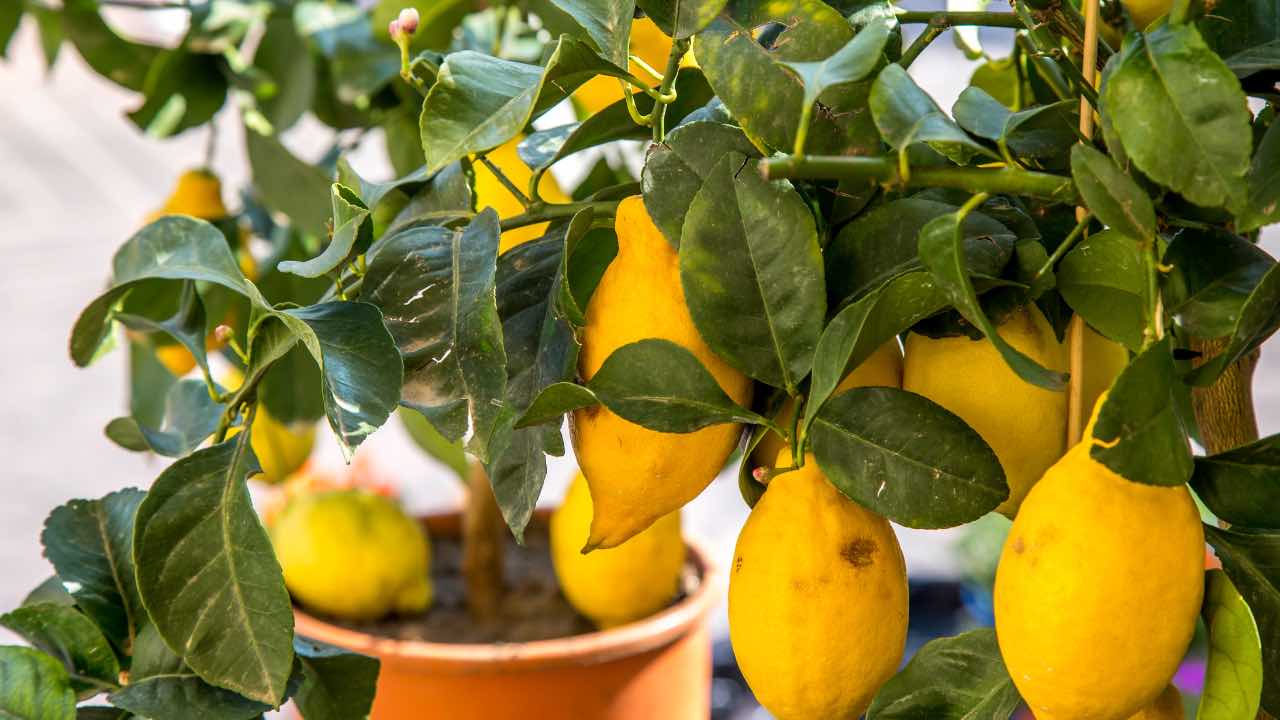
Lemons represent the perfect citrus fruit, the intense yellow that gives it a set of properties and benefits of the highest level. An active concentrate of vitamins and mineral salts, with a sour taste that somehow identifies the Italian tradition in the world. Excellent for the well-being of the body, for cleaning the house or for being the protagonist of many culinary preparations. A question always arises: can lemons be left attached to the plant or not ?
Lemons attached to the plant, what happens?
Yellow citrus fruits are a symbol of well-being , with a typical aroma that identifies Italy in all its splendor. Lemon is rich and versatile, with a quantity of vitamins that should not be underestimated. Its beauty is recognized even when they are simply on the plant. But what do experts say about this? Is it right to keep lemons attached to the plant or not? Plants can be in the garden or on the terrace , so many people ask themselves this question for the sake of citrus fruits and the plant itself. Expert nurserymen wanted to give a definitive answer. Lemons ripen after a very long time that can reach up to nine months. During all this time, citrus fruits absorb water and all the necessary nutrients to become good, juicy and tasty. Not only that, their yellow color increases with the help of the sun’s rays. The plant preserves the fruits until they are harvested, without hindering new flowering and subsequent production.
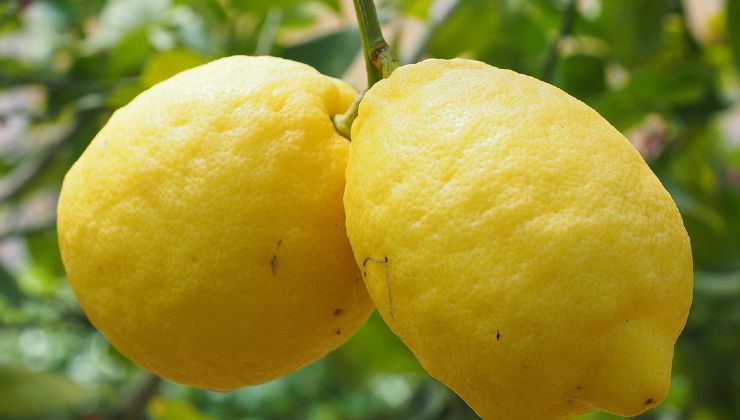
Obviously, when they are ripe, they need to be harvested to prevent the process of decay. At that point, they will either fall off the plant or will no longer be edible. What does this mean? The skin becomes thick and the pulp becomes completely dehydrated. It is an inevitable process because the plant itself will need that water for sustenance.
When are lemons harvested?
Those who have a lemon tree will have to take care of it throughout the year. It is a plant that needs water and care, so that it can harvest its fruits during the indicated period. As a general rule, the levels of ripeness can be different throughout the year. The first harvest takes place in April and May. Usually, it is abundant and good. There are some that still have an uneven and rough skin .
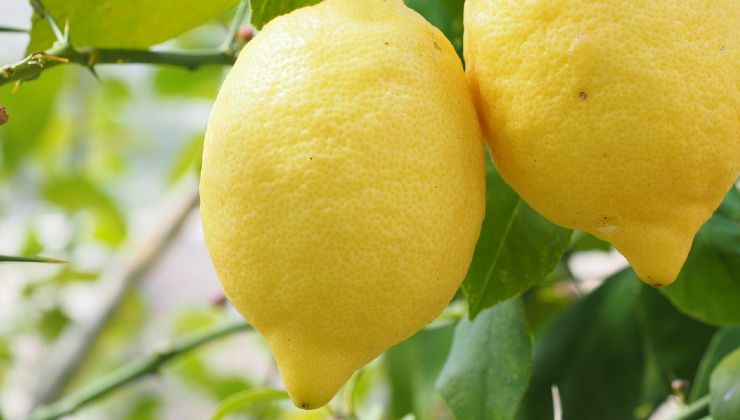
You can opt for a second harvest in July , considering a smooth and round skin and then come to the last harvest in August at the latest in September. At this time of year, the fruits are small and even seedless. In any case, it is important to follow the rules imposed by Mother Nature, for the well-being of the citrus fruit and the plant itself.