I think that the rose garden is the trademark of my garden. I love it when the bushes are covered with dozens of huge buds. And what a seductive aroma the flowers thin out, creating a light, romantic atmosphere.
Yes… Summer is still ahead of me and I can already imagine how I will enjoy the scent of roses in my garden. But now to something else. I want to tell you about my favorite rose feeding, which I use in the second phase – in the middle of leaf growth but before the buds are formed.
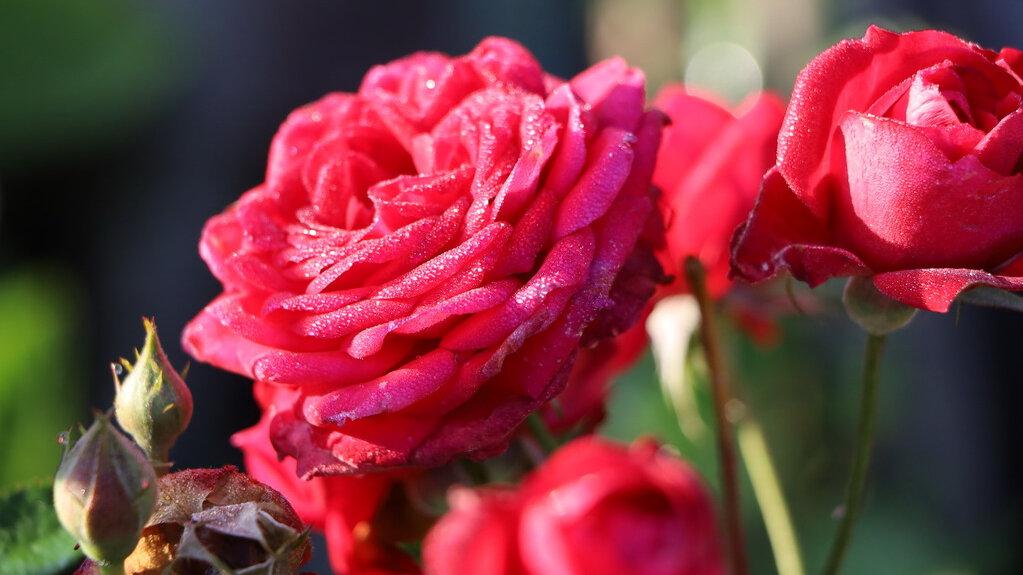
I believe that the rose garden is the trademark of my garden.
I will say right away that the feeding is effective and is aimed at increasing the ornamental value of the bushes. I spend it from the end of April to the second decade of May.
My roses have already woken up, although a few months ago they were sleeping under the covers. Now I need to make sure that the bushes become juicy – build up green mass. Feeding during this period contributes to the formation of flower buds.
Now I need to give the plants nitrogen so that they can absorb it. As nitrogen fertilizers I use humus, urea, compost, chicken manure. Sometimes I prepare a green feeding, which I will talk about today. I love the reaction of the plants to this particular agent.
What fertilizers do roses need in spring?
I am a rose grower. Every year I replenish the plantations with new varieties. I try to choose a variety with a twist – either with beautiful foliage or with an unusual color of flowers. Gardeners do everything to achieve lush flowering of roses.
It is not enough to give the charming queen enough space. Roses need timely watering and fertilizing. Again, bushes need phosphorus to form buds.
In order for roses to grow lush, they need nitrogen. If the gardener applies too much nitrogen-containing fertilizers, the bushes begin to fatten, form magnificent foliage, but do not bloom. In addition, roses lose their immunity and become vulnerable to pests and diseases.
When preparing the rose garden for winter, the bushes should be fed with potash salt. Potassium improves not only the protective properties, but also the quality and properties of the flowers themselves – they become large and lush.
Spring feeding of roses
Now let’s talk about what I feed roses. Many gardeners find it difficult to choose a fertilizer. In addition, the modern market is rich in many alternative options. I agree, my eyes run wild. All drugs differ in type, type, composition and time of application.
So, favorite fertilizers for roses at different stages of development. In early spring – nitrogen. Feeding is aimed at the active growth of rose bushes. During this period I apply one of the fertilizers – I feed with ammonium nitrate, azophoska, urea, nitroammophoska. The latter contains not only nitrogen, but also potassium and phosphorus. I also recommend the industrial drug “Spring”.
Potassium nitrate contains potassium and nitrogen. Complex fertilizers are so called because they contain a number of elements – nitrogen, potassium, phosphorus.
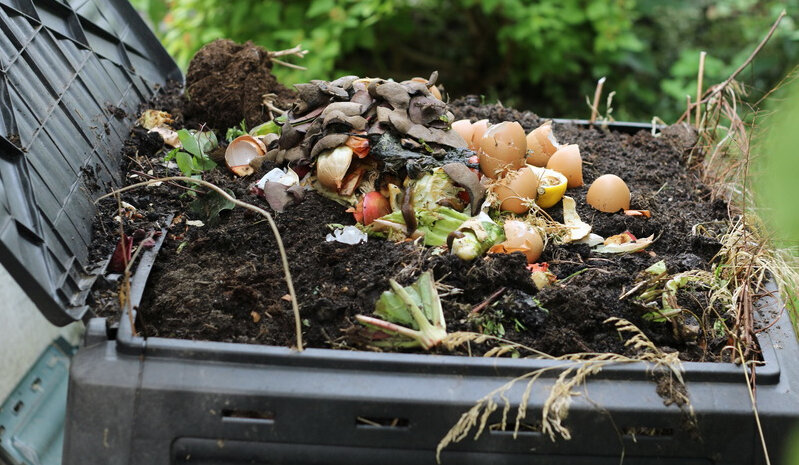
The plant eventually dies, so it is better to use only rotted manure or compost.
Mineral fertilizing is one thing. But plants also need organic matter. My rose garden absorbs manure perfectly. I would like to remind you that I never use fresh manure, otherwise it can burn the root system. The plant will eventually die. Therefore, it is better to use only rotted manure or compost.
Organic fertilizers contain nitrogen in large quantities, so I recommend applying them in early spring, you can apply them in early summer, but no later than the first half of July. If you neglect the advice, the roses will not have time to form, the shoots will become woody and the roses will go into winter completely unprepared.
Compost and manure contain a lot of nutrients, but they will still not be enough, so I recommend applying mineral fertilizers in parallel. It is better to use complex preparations, but do not abuse organic matter, since too high a nitrogen content can lead to negative consequences.
And now to your favorite feeding
To prepare an effective remedy, I fill a bucket with borax, chop the herb and pour it into a bucket to a height of 3/4. I also pour 100 ml of Baikal-Em here. Now I add water to the top. If there is no “Baikal”, you do not need to add it. The drug is needed to speed up the fermentation process. Green manure ripens 3 days faster with Baikal than without it. I mix all the components and let them brew for 5 days. I cover the bucket with foil.
At the end of the allotted time, I remove the film. The resulting solution is quite concentrated, so I dilute it with water in a ratio of 1:10. It is the diluted ones that I feed roses with. Before fertilizing, I moisten the soil near the bushes well.
After fertilizing the rose garden with green manure, I apply superphosphate under the bushes. If someone does not want to use chemicals, you can replace them with an infusion of chicken manure.
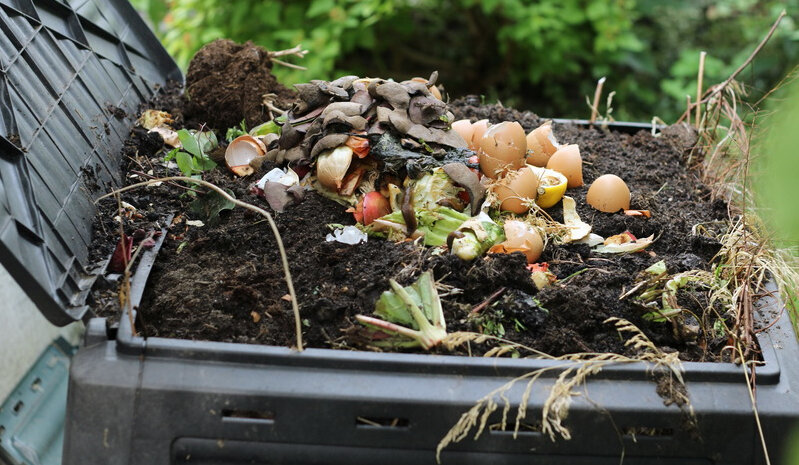
After fertilizing the rose garden with green manure, I apply superphosphate under the bushes
Note! Roses love a solution of wood ash. I dissolve 1 liter of powder in 10 liters of water and water the plants. If you don’t want to bother with preparing the solution, you can simply spray the ash on the ground.
That’s all. I’m not feeding roses anymore. Next time I’ll fertilize when the buds are full. But more about that later, another time.